Why Spring Aeration Is Essential for Healthy Georgia Lawns
Discover the importance of spring aeration for Georgia lawns. Enhance soil health, boost water absorption, and promote strong root growth before summer arrives.
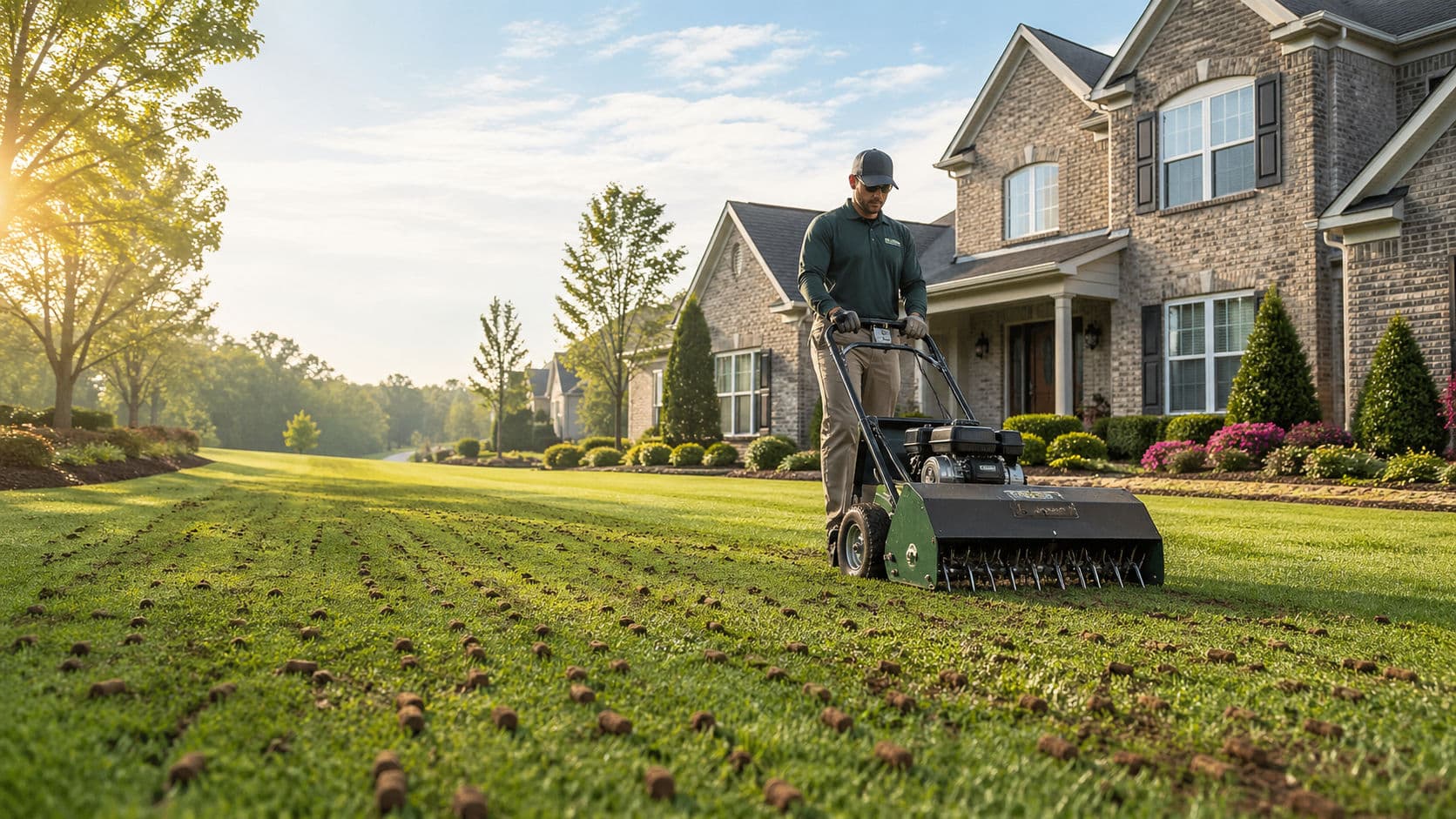
Spring is one of the most important times of year for lawn care in Georgia. After winter dormancy, heavy rain, foot traffic, and months of compacted soil, many lawns need help waking up and growing strong again. That is where lawn aeration becomes one of the most valuable steps in building a thicker, healthier, greener yard.
For Georgia homeowners, spring aeration is especially important because many lawns are grown in clay-heavy soil. Clay soil can become dense and compacted, making it harder for grass roots to receive the oxygen, water, and nutrients they need. By aerating your lawn in spring, you open the soil and give your grass a better chance to thrive before the intense Georgia summer heat arrives.
What Is Lawn Aeration?
Lawn aeration is the process of creating small openings in the soil so air, water, and nutrients can reach the root system more effectively. The most effective method is usually core aeration, which removes small plugs of soil from the lawn.
These small holes may not look perfect at first, but they provide major long-term benefits. They allow compacted soil to loosen, roots to expand, and moisture to move deeper into the ground. Over time, this helps the lawn grow stronger from the roots up.
Why Spring Aeration Matters in Georgia
Georgia lawns often deal with several challenges at once: compacted clay soil, high humidity, heavy rainfall, hot summers, and frequent foot traffic. These conditions can make it difficult for grass to grow evenly and stay healthy.
Spring aeration helps prepare the lawn for active growth. Warm-season grasses commonly found in Georgia, such as Bermuda, zoysia, centipede, and St. Augustine, begin growing more actively as temperatures rise. Aerating during this growth period gives the grass time to recover quickly and fill in stronger.
Aeration Helps Reduce Soil Compaction
Soil compaction is one of the biggest reasons Georgia lawns struggle. When soil becomes packed down, grass roots cannot spread easily. Water may run off instead of soaking in, fertilizer may sit near the surface, and oxygen may not reach the root zone.
Common signs of compacted soil include thin or patchy grass, water pooling after rain, hard soil, weak lawn growth, and worn-down areas from heavy foot traffic.
Aeration relieves that pressure by opening pathways in the soil. Once the soil has room to breathe, your lawn can absorb what it needs more efficiently.
Aeration Improves Water and Nutrient Absorption
A healthy lawn needs more than surface watering and fertilizer. Water and nutrients must reach the roots to make a real difference.
When soil is compacted, water often runs across the lawn instead of soaking into it. Fertilizer may also fail to reach the deeper root zone. Aeration helps solve this by creating channels that allow water, oxygen, and nutrients to move deeper into the soil.
This means your lawn care treatments can work better, your grass can use water more efficiently, and your yard can become more resilient during dry or hot conditions.
Aeration Encourages Stronger Root Growth
Strong roots are the foundation of a healthy Georgia lawn. When roots grow deeper and wider, the grass becomes better equipped to handle heat, drought stress, mowing, weeds, and everyday use.
Spring aeration gives roots more space to grow. As the soil loosens, the root system can expand into areas that were previously too compacted. This helps create a thicker, stronger lawn that can stand up better to Georgia’s summer weather.
Aeration Supports a Greener, Thicker Lawn
A lawn that cannot breathe will struggle to look its best. Compacted soil can lead to dull color, thinning turf, bare patches, and slow growth.
Aeration helps promote healthier turf density. As roots strengthen and the soil becomes more open, grass can spread more evenly. Over time, this can lead to a greener, fuller lawn with fewer weak areas.
For homeowners who want better curb appeal, spring aeration is a smart investment. It improves the conditions beneath the surface, which is where long-lasting lawn health begins.
When Is the Best Time to Aerate a Lawn in Georgia?
For many Georgia lawns with warm-season grass, the best time to aerate is spring through early summer, once the grass is actively growing. This timing allows the lawn to recover quickly and take advantage of the growing season.
Aerating too early, while the grass is still dormant, may not deliver the best results. It is usually better to wait until the lawn has greened up and is growing consistently.
A good rule of thumb is to aerate when the lawn is actively growing, the soil is not overly wet, and temperatures are warm enough to support recovery.
Core Aeration vs. Spike Aeration
Not all aeration methods are the same. Spike aeration pokes holes into the soil, while core aeration removes plugs of soil from the ground.
Core aeration is often the better choice for compacted Georgia lawns because it physically removes soil and creates more space for air and water movement. Spike aeration can help in some cases, but it may also push soil tighter around the holes if the lawn is already heavily compacted.
For clay-heavy lawns, core aeration is usually the more effective option.
What Should You Do After Aerating Your Lawn?
After aeration, your lawn needs proper care to get the best results. The small soil plugs left on the lawn should usually be allowed to break down naturally. As they decompose, they return valuable soil material back into the yard.
After aerating, it is helpful to water the lawn properly, avoid heavy traffic for a short period, continue mowing at the correct height, and apply fertilizer if appropriate for your grass type. Aeration works best when it is part of a complete spring lawn care plan.
Can Aeration Help With Georgia Clay Soil?
Yes, aeration can be especially helpful for Georgia clay soil. Clay soil holds nutrients well, but it can also become dense and compacted. When this happens, roots struggle to grow and water may not drain properly.
Core aeration helps loosen clay soil and creates better movement for air, water, and nutrients. While aeration will not completely change the soil overnight, regular lawn care and proper timing can greatly improve growing conditions over time.
Why Professional Lawn Aeration Is Worth It
Professional aeration can make a big difference because timing, equipment, and technique matter. A lawn care professional knows when your Georgia lawn is ready, how deeply to aerate, and how to avoid damaging stressed turf.
Professional-grade aerators are also designed to remove proper soil cores, which can deliver better results than lightweight or improper equipment. For homeowners who want a healthier lawn without guesswork, professional spring aeration is a smart choice.
Final Thoughts: Spring Aeration Builds a Healthier Georgia Lawn
Spring aeration is one of the best ways to prepare your Georgia lawn for a strong growing season. It reduces soil compaction, improves water and nutrient absorption, encourages deeper roots, and helps grass become thicker and greener before summer heat sets in.
If your lawn looks thin, feels hard underfoot, or struggles to grow evenly, spring aeration may be exactly what it needs. By improving the soil beneath the surface, you give your grass the foundation it needs to grow healthier, stronger, and more beautiful all season long.
Frequently Asked Questions About Spring Aeration in Georgia
When should I aerate my lawn in Georgia?
The best time to aerate most warm-season Georgia lawns is spring through early summer, once the grass is actively growing and able to recover quickly.
Is spring a good time to aerate Bermuda grass in Georgia?
Yes. Bermuda grass responds well to aeration when it is actively growing in warm weather. Spring to early summer is often a good window.
How often should a Georgia lawn be aerated?
Lawns with heavy clay soil, frequent foot traffic, or visible compaction may benefit from aeration once a year. Lawns with less compaction may not need it as often.
Should I fertilize after aerating?
Fertilizing after aeration can be beneficial when timed correctly for your grass type. Aeration helps nutrients move deeper into the soil where roots can use them.
Does aeration help with patchy grass?
Aeration can help patchy grass when the problem is related to compacted soil, poor root growth, or limited water and nutrient movement. Other issues, such as disease, shade, or improper mowing, may also need to be addressed.